During Balance Awareness Week, Morrill and the Vestibular Disorders Association are urging patients and medical professionals to recognize the impact of vestibular disorders and improve care for people living with dizziness and imbalance.
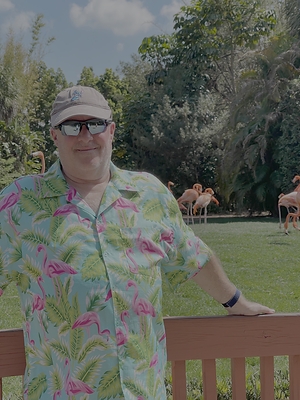
PORTLAND, Ore., Sept. 10, 2026 /PRNewswire-PRWeb/ -- When David Morrill suffered a stroke, it left him with limited vestibular function and a new reality: navigating a world where balance, movement, and everyday activities could no longer be taken for granted.
Rather than allowing his experience to end with his own recovery, Morrill turned it into a mission to help others.
For years, he has worked alongside researchers, physicians, and other patient advocates to bring the patient perspective into research and efforts to improve the diagnosis and treatment of dizziness, vertigo, and vestibular disorders. He has participated in national clinical guidelines and quality-measurement initiatives, contributed to research focused on distinguishing stroke from other causes of acute dizziness, and shared his lived experience with researchers studying how patients are diagnosed and treated.
Now, during Balance Awareness Week, September 13–19, 2026, Morrill is calling on both the medical community and people living with vestibular disorders to raise awareness of conditions that are often misunderstood, misdiagnosed, or invisible to others.
"I turned all my anger and grief into energy for helping others. I want to make sure people with these conditions know where they can get help," said Morrill.
Balance Awareness Week, an annual awareness campaign led by the Vestibular Disorders Association (VeDA), shines a spotlight on vestibular disorders and the millions of people affected by dizziness, vertigo, imbalance, and other symptoms related to the vestibular system.
For Morrill, advocacy has meant helping medical professionals understand what it is like to experience these symptoms as a patient—not simply as a clinical diagnosis.
His advocacy has included serving as a patient representative on the Neuro-otology Quality Measurement Set, a multidisciplinary effort to develop quality measures for vestibular and neuro-otology care. He has also participated as a patient advocate in the development of the GRACE-3 Acute Dizziness and Vertigo Guidelines, which address the evaluation of patients with acute dizziness and vertigo in emergency departments.
Morrill has additionally worked with researchers studying the use of HINTS to help distinguish stroke from other causes of acute vestibular syndrome and participated in the Comprehensive Unit-based Safety Program to Improve Diagnosis (CUSPID), an initiative focused on reducing stroke misdiagnosis among emergency department patients presenting with dizziness and vertigo. He is currently involved as a patient advocate in the PCORI VERTIGO trial, which aims to improve the diagnosis of dizziness, inner ear disorders, and stroke in emergency care.
While the research is important, Morrill believes the patient voice is just as essential.
"Awareness is important in the world of invisible disorders. I don't look like I'm dizzy all the time, but it affects me every day," Morrill said.
VeDA encourages people affected by vestibular disorders to use Balance Awareness Week as an opportunity to share their experiences, educate others, and help reduce the stigma surrounding invisible symptoms. Healthcare professionals and community members can also participate by sharing educational information and helping others recognize that dizziness and balance disorders can have a profound impact on a person's daily life.
"David's story demonstrates the powerful role patients can play in changing the way vestibular disorders are understood and treated," said Cynthia Ryan, VeDA's Executive Director. "He has brought the patient perspective into conversations that can directly influence research, clinical guidelines, and the quality of care. Balance Awareness Week is an opportunity for all of us to listen to those experiences and make vestibular health a bigger part of the conversation."
Join Balance Awareness Week
Balance Awareness Week (BAW) takes place September 13–19, 2026. VeDA invites people living with vestibular disorders, healthcare professionals, family members, friends, and communities to participate by learning about vestibular disorders and sharing information with others.
To learn more about Balance Awareness Week and find ways to participate, visit vestibular.org/BAW.
About the Vestibular Disorders Association
The Vestibular Disorders Association (VeDA) is a nonprofit organization dedicated to supporting and empowering people living with vestibular disorders and advancing awareness, education, and research. VeDA provides resources for patients and healthcare professionals and works to improve understanding of vestibular disorders and access to appropriate care.
Media Contact
Cynthia Ryan, Vestibular Disorders Association, 1 800-847-8428, [email protected], vestibular.org
SOURCE Vestibular Disorders Association


Share this article