
As schools from Chicago to California respond to mold discoveries, hundreds of students have been relocated, buildings have closed or delayed opening, remediation has expanded into dozens of classrooms, and some schools are now preparing to reopen following testing and corrective work. Chicagoland indoor environmental specialist Barton Robertson says the recent cases highlight an important question for parents, educators and school officials: Before students and teachers return, has the mold simply been removed, or have the moisture, humidity, HVAC and building conditions that allowed it to grow also been identified and corrected?
OSWEGO, Ill., Aug. 31, 2026 /PRNewswire-PRWeb/ -- As a new school week begins, several schools affected by mold are moving toward reopening, while others remain in temporary locations or await additional testing.
In Chicago, approximately 600 John H. Kinzie Elementary School students are scheduled to return after Chicago Public Schools said the building passed inspections following testing and repairs related to suspected mold. In Ohio, Waterford Elementary students are also expected to return, although some classrooms remain unavailable pending follow-up results.
Elsewhere, Del Sur Elementary students in California have been temporarily relocated while moisture remediation and retesting continue. In Pennsylvania, remediation at Homer-Center Elementary expanded after mold was reported in 47 rooms.
For Robertson, a mold-remediation expert with more than 23 years of field experience, the recent cases offer an opportunity to help parents, teachers and school officials better understand what happens between discovering mold and returning occupants to a building.
"Mold is evidence," Robertson said. "It tells you that conditions existed that allowed it to grow. Understanding those conditions is an important part of understanding the bigger picture."
These cases, he says, offer a timely opportunity to discuss the factors that can be considered when mold is found in any occupied building.
Those conversations can include where mold was discovered, whether moisture was identified, what building materials were affected, what corrective work was performed, how areas were evaluated afterward, and what information is used when making decisions about reoccupancy.
"A classroom may look perfectly clean after work has been completed," Robertson said. "The next part of the conversation is understanding what caused the condition in the first place and what was done to address it."
That can involve factors such as humidity, HVAC performance, roof or plumbing problems, water intrusion, condensation, and other building conditions that contribute to moisture.
Recent school cases illustrate how varied those conditions can be.
In Arkansas, Jacksonville Elementary remained closed even after officials reported improved air quality because HVAC work still needed to be completed. In Richmond, Virginia, officials at Barack Obama Elementary reported moisture sources including pipe leaks, roof penetrations and water intrusion while remediation and testing continued.
"The goal shouldn't simply be to find mold and remove it," Robertson said. "The goal should be to understand why it developed and correct that condition."
That distinction becomes especially important when mold is discovered just before or during the school year, when administrators face pressure to reopen and parents want clear answers.
"When mold is discovered days before school begins, everyone wants an immediate answer," Robertson said. "Parents want their children back in school. Administrators need classrooms open. Teachers want confidence in the spaces where they work. But speed can't replace understanding why the problem occurred."
Robertson says the recent cases should also encourage districts to focus on prevention, especially following periods of high humidity, HVAC problems, roof or plumbing issues, or other conditions that may allow moisture to accumulate.
"Finding a moisture problem before mold becomes visible is very different from discovering widespread growth when hundreds of students are ready to walk through the doors," he said. "That's where prevention has enormous value."
Robertson is available for interviews about school mold, hidden mold, moisture-related building conditions, mold remediation, what "safe to return" should involve, questions parents should ask, and proactive steps schools can consider before reopening buildings.
About Barton Robertson
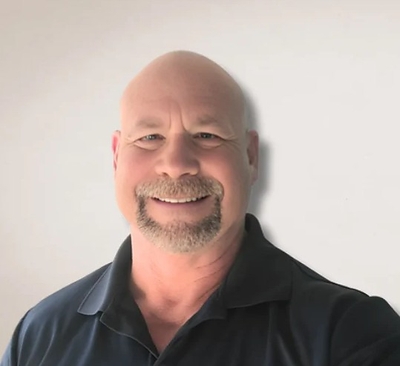
Barton Robertson is founder and president of Above Board Indoor Environmental, a Chicagoland-based environmental company. He has more than 23 years of experience working with mold and environmental contamination in buildings and has served as a court-qualified expert. He is also the author of The Remediator, a science thriller inspired in part by his professional experience with mold, contamination, and remediation.
Media Contact
Pamela La Gioia, La Gioia Literary Management, 1 815-587-2461, [email protected]
SOURCE Barton Robertson




Share this article