
Blue Highways & Rescued Food Demo
NEW YORK, Oct. 12, 2026 /PRNewswire-PRWeb/ -- City Harvest, Sharing Excess and Blue Ribbon Fish Co. are among the first food distributors to pilot a new low-emission delivery service designed to move cargo across New York City using waterways and pedal-assist electric cargo vehicles. The early-stage demonstrations are part of Sustainable Last-Mile Delivery in Dense Metros, a U.S. Department of Energy-funded project led by Empire Clean Cities in partnership with U.S. Coastal Service, Net Zero Logistics and Fulpra U.S., a maker and distributor of heavy duty electric cargo bikes. The project is demonstrating how food wholesalers and other urban freight customers can pair maritime middle mile transportation with heavy duty quad bikes for the last mile, offering a decarbonized and cost-effective alternative to traditional truck delivery.
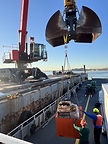
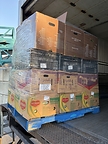
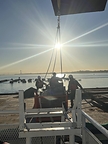
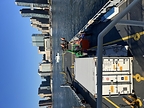
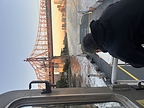
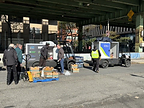
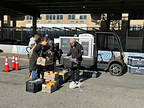
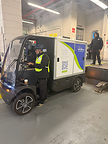
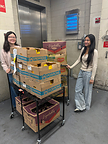
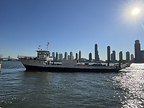
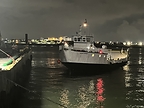
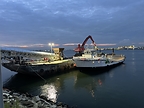
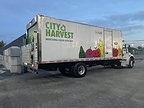
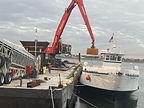
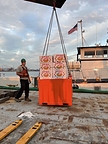
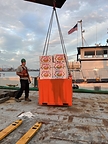
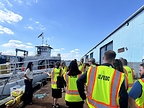
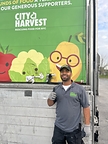
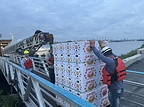
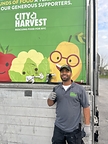
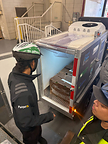
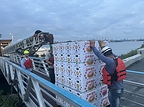
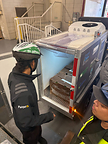
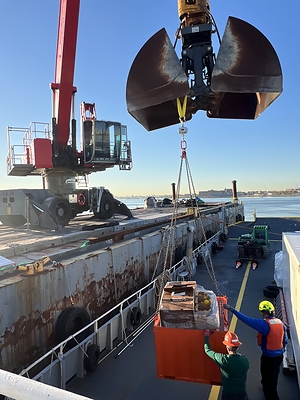
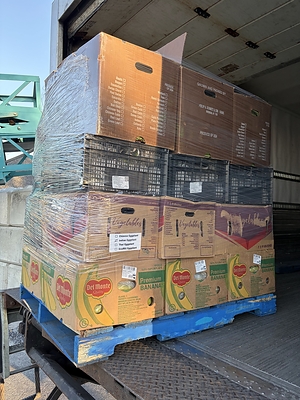
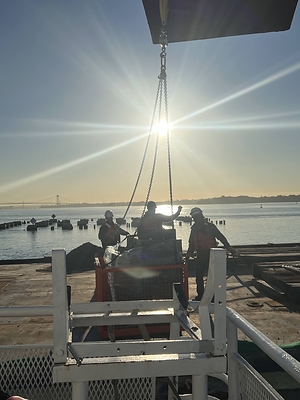
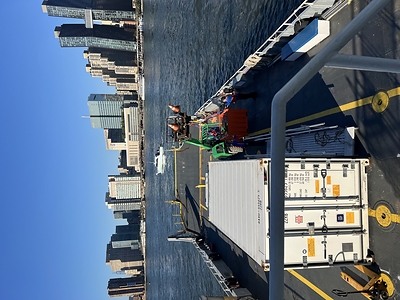
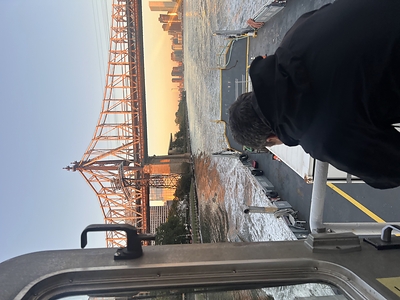
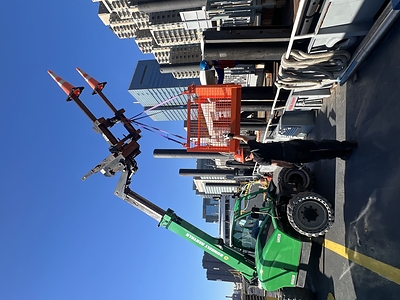
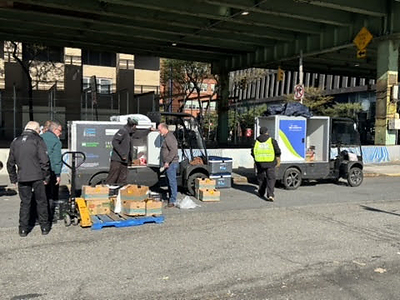
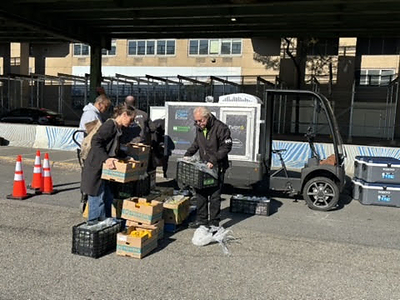
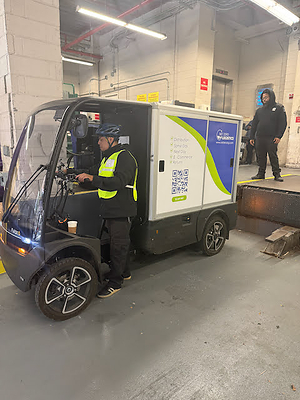
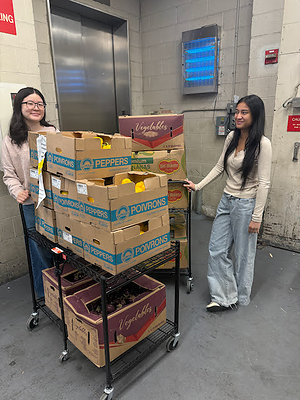
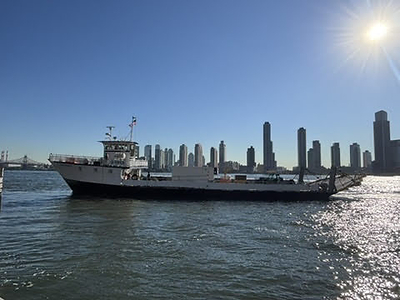
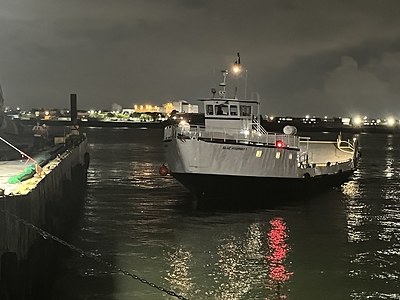
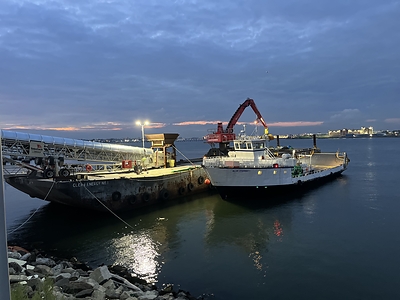
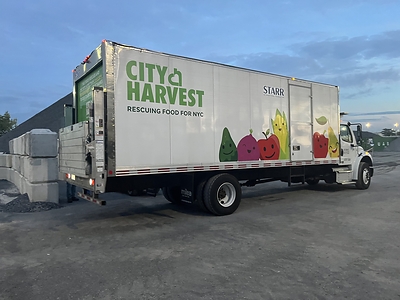
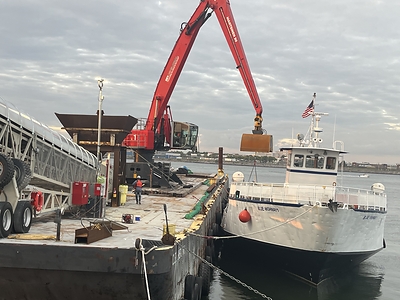
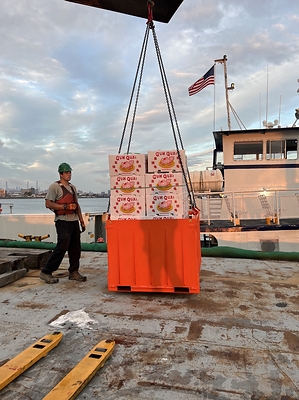
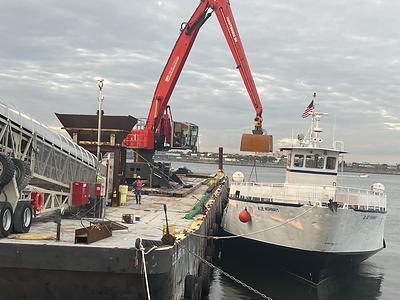
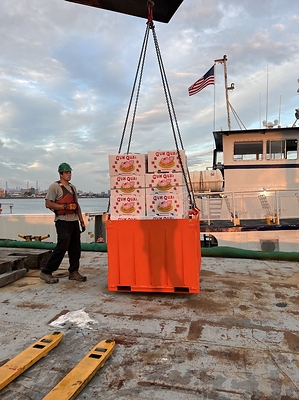
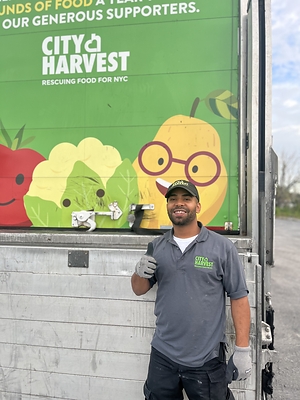
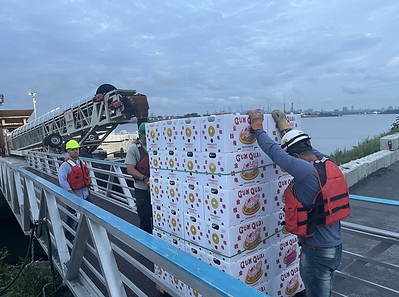
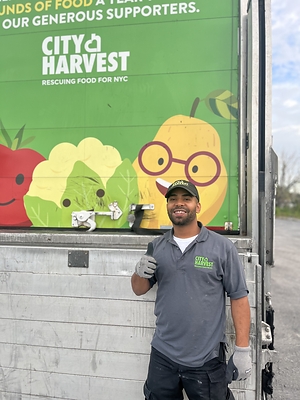
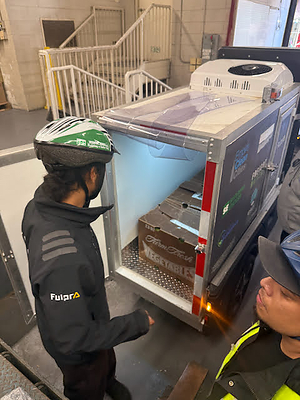
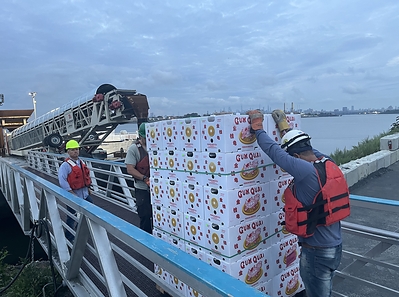
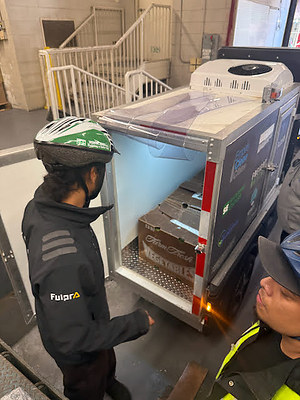
On October 7, 2026, Sharing Excess, a national non-profit distributor of surplus food, participated in the latest demonstration, moving rescued produce from the Hunts Point Food Distribution Center to a food pantry in Manhattan's Greenwich Village. Rather than loading the entire shipment onto a truck bound for Manhattan, the food traveled by water aboard U.S. Coastal Service's Blue Highway 1 to the E. 34th Street ferry terminal where cases of palletized produce were transferred to two Fulpra pedal assist quad bikes–including one with battery electric refrigeration–for the final leg of the delivery. In an earlier demonstration which took place on September 18, City Harvest, New York City's largest food rescue organization, moved over 4,000 lbs. of food and beverage from Hunts Point to the Brooklyn Marine Terminal on the U.S. Coastal vessel.
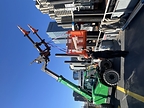
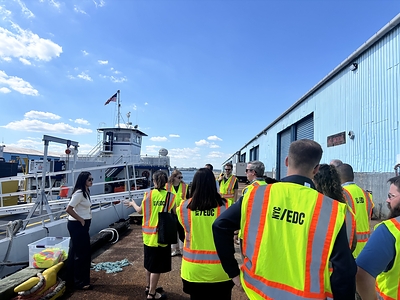
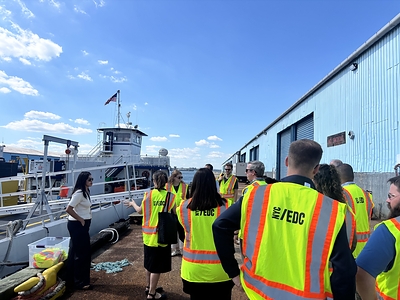
Both demonstrations utilized Con Agg Global's transloading facility and cargo-handling equipment at its port on the campus of the Fulton Fish Market. Located within the Hunts Point Food Distribution Center, the port was inaugurated by Con Agg and NYCEDC in 2025 and is expected to eliminate roughly 1,000 truck trips per month from the South Bronx once fully operational.
The demonstrations build on earlier project deliveries conducted with the Fulton Fish Market Cooperative and Blue Ribbon Fish Co. The service comes as food distributors and nonprofit delivery organizations face rising transportation costs, congested streets and increasing pressure to operate safer and cleaner fleets. Organizers are positioning the model as a competitive, reliable alternative that can complement existing van and truck networks rather than replace them entirely.
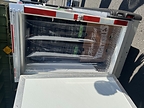
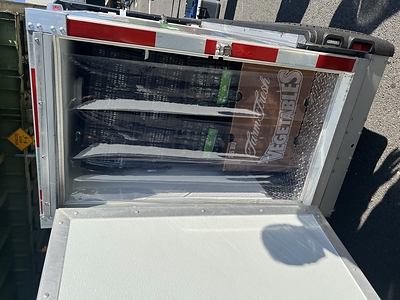
U.S. Coastal Service's Blue Highway 1 uses renewable diesel rather than conventional diesel, reducing greenhouse gas emissions by approximately 70%. For the last mile, the project uses the Fulpra Quatro, an electric cargo vehicle with an 800-plus-pound payload capacity. Fulpra announced UL certification for the vehicle on September 29, 2026. Fulpra's Quatro features a battery electric refrigeration system which offers continuous 9 hour cooling.
Following successful demonstrations involving City Harvest, Sharing Excess and Blue Ribbon, project partners including Barretto Bay Strategies and Freight Matters are assisting U.S. Coastal Service and the project team in launching a regular weekly delivery service. The demonstrations align with the Blue Highways initiative led by the New York City Department of Transportation (NYC DOT) and the New York City Economic Development Corporation (NYCEDC), which supports expanded use of New York City's waterways for freight movement. The approach also supports the goals of Mayor Mamdani's Vision Zero Reimagined plan, released earlier this month, which calls for shifting freight toward safer and more sustainable transportation modes, including cargo bikes, rail and waterborne transport, as part of a broader effort to reduce deaths and injuries associated with large trucks on city streets.
"We're not just demonstrating new technology - we're testing a new way of moving goods through New York City," said Joy Gardner, Executive Director of Empire Clean Cities. "By bringing together maritime freight, electric cargo vehicles, and the partners needed to make the system work, we're demonstrating a model that can meet the real-world needs of businesses and organizations while reducing truck miles on congested streets and cutting transportation emissions. ECC is proud to lead this project and work alongside such a strong group of partners to turn these demonstrations into a cleaner, more efficient freight service that can operate regularly and scale across the city."
"With alternatives to trucking, we can reduce congestion on our roadways, create a more resilient freight network, and improve quality of life for all New Yorkers," said NYC DOT Commissioner Mike Flynn. "This demonstration shows the potential of our waterways and how businesses can use NYC's Blue Highways program to support the movement of their goods."
"Blue Highways is about putting New York City's waterways back to work. By moving freight off congested roads and onto the harbor, this pilot helps reduce truck traffic, strengthen supply chains, and create a more sustainable freight network that delivers for New Yorkers. As we continue to grow the program, we're proving that our waterfront can be a powerful engine for both economic opportunity and quality of life, " said New York City Economic Development Corporation President and CEO Anthony Shorris.
"The Blue Highway is real and Con Agg is at the helm. We are proud to partner with City Harvest, Sharing Excess, Blue Ribbon Fish, and U.S. Coastal Service to inaugurate maritime freight service from Hunts Point to Red Hook and Manhattan," said Paul Granito, CEO of port operator Con Agg. "Through our collective efforts, we are restoring a centuries-old working waterfront to productive use, diverting trucks from local roadways, and doing our part to address hunger and food insecurity in the region."
"Food rescue and distribution is a strong example of where this model can make a difference," said Ilana Mayid-Dennis, President of U.S. Coastal Service. "By pairing marine freight with electric last-mile delivery and refrigerated capacity, we can make waterborne freight a practical option for more of the goods moving through the City every day. Shifting more deliveries off our congested streets will take partners willing to test new approaches, and we are excited to be doing that with Sharing Excess, City Harvest, Con Agg, Empire Clean Cities, Net Zero Logistics, Fulpra US, Subzero Technologies, NYC DOT, NYCEDC and others."
"We are proud to be a part of this pilot project with U.S. Coastal Service and Empire Clean Cities," said Carlos Rodriguez, President of City Harvest. "At a time of staggeringly high need for food assistance in New York City, we are eager to explore transportation alternatives that would increase efficiencies, reduce emissions, and get more high-quality food that would otherwise go to waste into the hands of New Yorkers who need it."
"Sharing Excess is excited to partner with Empire Clean Cities on this innovative pilot project to reduce emissions from last-mile food delivery. This forward-thinking approach aligns closely with our mission to reduce food waste while building a healthier planet. We're proud to be part of a collaboration that demonstrates how we can create more efficient, sustainable systems for getting food where it's needed most" said Miranda Potmesil, NYC Partnerships Director at Sharing Excess.
"Seeing our advanced reefer technology integrated seamlessly onto Fulpra's electric cargo vehicles proves that zero-emission, temperature-controlled delivery is finally a reality," said Gregory Iovine, CEO of Subzero Technologies. "Together with Fulpra, we are bringing precision cooling to the last mile in dense urban centers like New York City."
"Moving rescued food from the waterfront to Washington Square by electric quads shows that maritime and electric last-mile delivery work as one eco-system," said Mark Chiusano, CEO of Net Zero Logistics. "Net Zero Logistics is proud to work with Empire Clean Cities, Fulpra and U.S. Coastal Service. We are ready to make this a regular service New Yorkers can rely on."
"This project demonstrates how New York City's waterways can complement our truck network and strengthen freight mobility. Reducing pressure on our roads while keeping businesses supplied makes our supply chain more resilient. TANY encourages practical, scalable solutions that facilitate the safe, efficient, and sustainable movement of goods," said Zach Miller, Vice President of Government Affairs, Trucking Association of New York.
About Empire Clean Cities
Empire Clean Cities (ECC) is a 501(c)(3) nonprofit organization working to advance clean transportation throughout New York City and the Lower Hudson Valley. As the U.S. Department of Energy-designated Clean Cities and Communities coalition for the region, ECC brings together public agencies, private fleets, technology providers, utilities, community organizations, and other stakeholders to reduce transportation emissions and petroleum use. ECC provides technical assistance, supports clean transportation projects and funding opportunities, and connects stakeholders with reliable information on alternative fuels, advanced vehicle technologies, and transportation solutions. ECC serves as the project lead for the U.S. Department of Energy-funded Sustainable Last-Mile Delivery in Dense Metros project.
Media Contact
Lauren Kesner O'Brien, Empire Clean Cities, 1 646-670-6395, [email protected], empirecleancities.org
SOURCE Empire Clean Cities

Share this article