After August tornadoes, destructive winds and flooding across Illinois, a Chicagoland indoor environmental specialist says National Preparedness Month should include what happens inside buildings after the immediate emergency has passed.
OSWEGO, Ill., Sept. 8, 2026 /PRNewswire-PRWeb/ -- The disaster isn't always over when the storm ends.
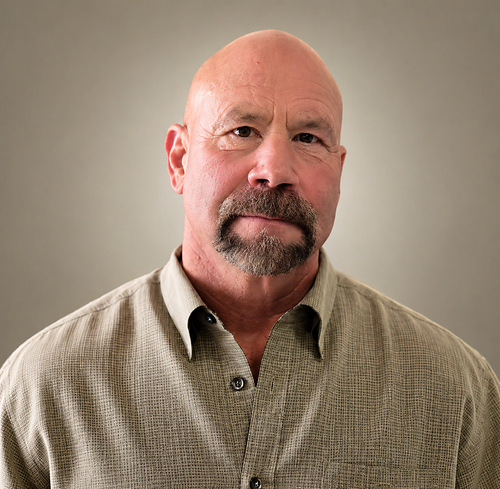
That is the warning from Chicagoland indoor environmental specialist and mold-remediation expert Barton Robertson as National Preparedness Month gets underway after a damaging stretch of August weather across Illinois.
According to the National Weather Service, an Aug. 11 derecho produced widespread 70 to more than 100 mph straight-line winds across northeastern Illinois and northwestern Indiana, significant structural damage and eight confirmed tornadoes in its Chicago forecast area. One EF-0 tornado traveled through the Oswego area, where Robertson lives and works.
On Aug. 18, Gov. JB Pritzker issued a disaster proclamation covering July and August storms that brought tornadoes, heavy rain, flash flooding, damaging winds, power outages and structural damage to Illinois communities.
For Robertson, those events highlight a part of disaster preparedness that receives far less attention than emergency supplies, communication plans and evacuation routes: what happens to a building after the immediate danger has passed.
"People prepare for the storm itself, and they should," Robertson said. "But once the wind stops and the water's gone, another set of questions begins. Did water enter the building? Where did it travel? What materials stayed wet? Is moisture trapped somewhere people can't see?"
The concern is especially timely. On Aug. 28, the U.S. Environmental Protection Agency updated its flooded-home guidance, reminding people returning to flooded homes that affected materials may contain mold and bacteria. The agency includes moisture meters, fans and dehumidifiers among tools that may be needed during repair and renovation after flooding.
Robertson says a building that looks dry is not necessarily dry throughout.
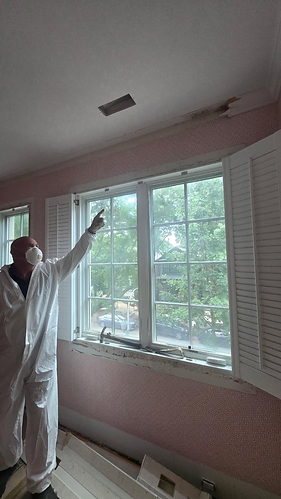
"Visible water can disappear while moisture remains behind drywall, beneath flooring, in insulation or inside wall and ceiling cavities," Robertson said. "The goal isn't to create fear. The goal is to understand the condition of the building before a hidden moisture problem becomes a much larger mold problem."
For homeowners and property managers, Robertson says the questions after severe weather should go beyond whether visible water has been removed. Roof damage, wind-driven rain, water intrusion, prolonged power outages and elevated indoor humidity can leave moisture in building materials and concealed areas long after the obvious signs of the storm are gone.
He says preparedness should include knowing what information matters after water intrusion and when professional evaluation may be appropriate. That can include documenting affected areas, identifying where water entered, understanding which materials became wet and determining whether the moisture source has actually been corrected.
"One of the easiest mistakes is to confuse appearance with condition," Robertson said. "A surface can look clean. Paint can look normal. A room can smell fine. None of those things, by themselves, tell you what is happening inside materials or concealed spaces."
That distinction can become especially important when visible mold is cleaned after a storm or flooding event.
"Mold isn't simply a surface issue. It's evidence," Robertson said. "If moisture is continuing somewhere inside the building, cleaning what you can see doesn't necessarily address the condition that allowed the mold to grow."
Robertson believes National Preparedness Month offers an opportunity to broaden the public conversation beyond surviving the first hours of an emergency.
"Preparedness should include the aftermath," he said. "Families plan where to go, what to pack and how to communicate. Property owners should also understand what they'll need to evaluate when they come back."
Robertson is available throughout September for television, radio, print and podcast interviews about mold after storms, hidden moisture, post-disaster building conditions and mold remediation.
About Barton Robertson
Barton Robertson is founder and president of Above Board Indoor Environmental, a Chicagoland-based environmental company in Oswego, Illinois. He has more than two decades of experience addressing mold and hidden building moisture conditions and is a court-qualified expert. Robertson is also the author of The Remediator, a newly released science thriller inspired in part by his professional experience in the indoor environmental industry.
Media Contact
Pamela La Gioia, La Gioia Literary Management, 1 (815) 587-2461, [email protected]
SOURCE Barton Robertson

Share this article